%20(1).png)
How to Become a Professional Snooker Player: The Complete, Real-World Guide
Becoming a professional snooker player is one of the hardest paths in cue sports—and also one of the most rewarding. It’s a journey that blends obsession, discipline, heartbreak, and moments of pure magic at the table. Unlike many sports, snooker doesn’t rely on raw athleticism alone. It rewards patience, precision, emotional control, and years of quiet work that nobody sees.
If you’ve ever watched the calm authority of Ronnie O'Sullivan, the granite focus of Stephen Hendry, or the relentless match-play excellence of Mark Selby, you’ve probably wondered:How does someone actually get there?
This guide answers that question honestly. Not with clichés—but with real structure, real sacrifices, and a clear map from beginner to pro.
What Does “Professional Snooker Player” Really Mean?

A professional snooker player is someone officially recognized by the sport’s governing bodies and eligible to compete on the professional circuit—most notably the World Snooker Tour.
Being a pro means:
You earn or maintain a tour card
You compete in ranking tournaments worldwide
Your income depends on prize money, sponsorships, and appearances
You’re ranked globally based on performance over multiple seasons
This is not a hobby with prize money. It’s a career with pressure, travel, and constant evaluation.
Step 1: Fall in Love With the Process (Not the Spotlight)
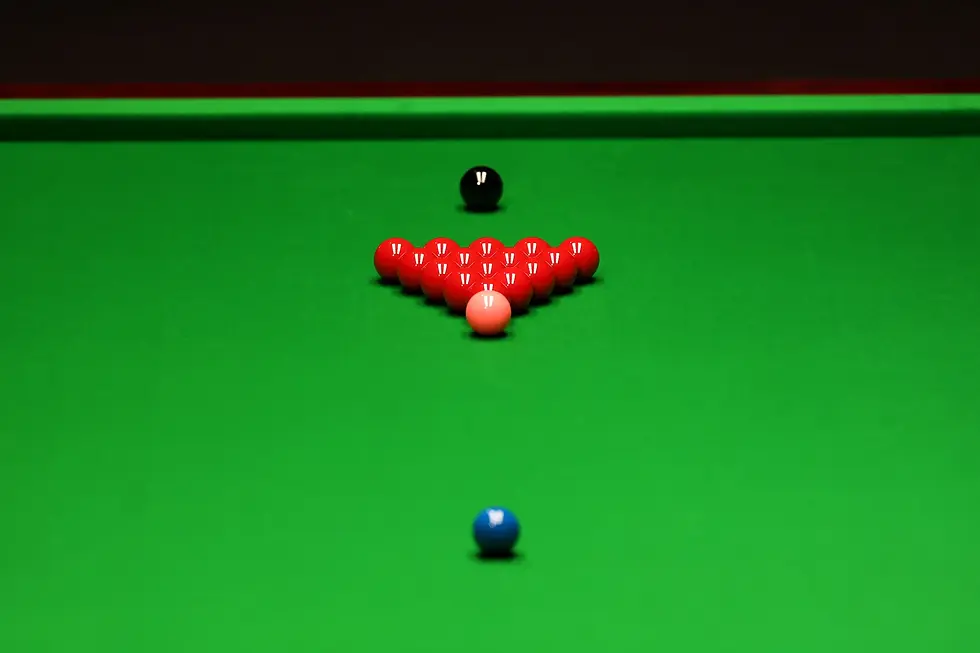
Before technique, tournaments, or coaching, there’s one non-negotiable requirement: deep love for practice.
Professional snooker players:
Practice 4–8 hours a day, often alone
Repeat drills that look boring to spectators
Spend years improving tiny margins—cue delivery, shot selection, safety angles
If you enjoy only playing matches but hate structured practice, professional snooker will break you.
Reality Check
Many talented players quit because they love playing, not training. Pros love both.
Step 2: Master the Fundamentals (This Takes Years)

You cannot shortcut fundamentals. Every professional, no matter how flamboyant, is built on rock-solid basics.
Core Technical Skills You Must Master
1. Cue Action
A straight, repeatable cue action is the foundation of everything.
Minimal body movement
Smooth backswing and follow-through
Consistent timing under pressure
Most pros spend years refining this.
2. Stance & Alignment
Your eyes, cue, and target must line up naturally.
Stable base and snooker stance
Comfortable head position
Zero tension
Bad alignment limits your ceiling permanently.
3. Potting Technique
This isn’t about flashy long pots—it’s about:
High-percentage shots
Correct contact point
Confidence on routine balls
Pros miss fewer easy balls than amateurs miss difficult ones.
Step 3: Learn Break Building the Right Way

Break building separates club players from professionals.
What Pros Do Differently
They think three shots ahead, not one
They prioritize cue ball positioning over pot difficulty
They know when not to attack
Start with:
Red-color routines
Restricted-area practice to force accuracy
A century break isn’t magic—it’s structured thinking repeated perfectly.
Step 4: Safety Play Is Not Optional

Here’s a truth many aspiring players ignore:
You will never become a professional snooker player if you can’t play elite safety.
At the professional level:
Matches are often decided by mistakes, not brilliance
Tactical exchanges can last 10–15 minutes
One poor safety shot can lose a frame instantly
Essential Safety Skills
Thin contact escapes
Distance control
Cushion knowledge
Using baulk colors intelligently
Players like Mark Selby built their careers on tactical dominance.
Step 5: Develop Match Temperament (This Is Where Most Fail)

Technical skill gets you noticed. Mental strength keeps you professional.
Professional-Level Mental Traits
Emotional control after mistakes
Patience in long safety battles
Confidence without arrogance
Ability to reset between frames
Many players can out-practice professionals—but crumble in competition.
Train Your Mind Like a Skill
Practice under self-imposed pressure
Simulate match routines
Play longer matches, not just frames
Learn to slow your breathing during tension
Step 6: Play Competitive Snooker Early and Often

You don’t become a professional snooker player by staying in your practice room.
Start With:
Local club tournaments
City and state championships
Amateur tours and open events
Lose early. Lose often. Learn faster.
Competition exposes:
Weak safety play
Poor shot selection
Mental leaks under pressure
Every loss is data—if you’re honest about it.
Step 7: Get the Right Coaching (At the Right Time)

A good coach doesn’t just fix flaws—they prevent you from locking in bad habits.
When Coaching Matters Most
Early technical development
Plateaus you can’t break alone
Preparing for elite competition
Many top players had mentors who shaped their fundamentals early.
Avoid:
Too many coaches at once
Coaches without proven competitive knowledge
Changing technique constantly
Step 8: Build a Professional Practice Structure

Amateurs practice randomly. Professionals practice deliberately.
Sample Pro-Style Practice Day
90 minutes technical drills
90 minutes break building
60 minutes safety play
60 minutes match simulation
Quality beats quantity—but professionals usually do both.
Step 9: Understand the Professional Pathway

This is where dreams meet paperwork.
Common Routes to Turning Professional
National championships
Q School events
Amateur international tournaments
Regional professional qualifiers
The most common modern route is Q School, where players compete for limited tour cards under extreme pressure.
One bad session can end years of preparation.
Step 10: Financial Reality (Nobody Talks About This Enough)

Before sponsorships, professional snooker is financially brutal.
Expenses Include:
Travel and accommodation
Entry fees
Coaching
Equipment
Living costs between events
Many future pros:
Work part-time
Receive family support
Play exhibitions or coaching gigs
Even top-64 players aren’t guaranteed financial comfort.
Step 11: Life on the Professional Tour

Once you earn your tour card, the real work begins.
Professional Life Includes:
Constant travel
Playing jet-lagged
Competing against legends
Defending ranking points every season
There is no “arrival”—only maintenance.
Step 12: Longevity, Reinvention, and Survival
Very few players stay at the top forever.
Professionals who last:
Adapt their game
Improve fitness and focus
Accept coaching even late in careers
Learn from younger players
Snooker rewards humility as much as talent.
Common Myths About Becoming a Professional Snooker Player

Myth: You must start as a child
Truth: Early starts help, but late starters with discipline still succeed
Myth: Talent is everything
Truth: Work ethic beats talent almost every time
Myth: Once you turn pro, life gets easier
Truth: It gets harder—mentally and financially
Is Becoming a Professional Snooker Player Worth It?
Only you can answer that.
If your motivation is:
Fame → No
Easy money → No
Love of mastery → Yes
Willingness to suffer quietly → Yes
Professional snooker is not glamorous behind the scenes—but for those who belong there, it’s unforgettable.
Final Thoughts: An Honest Word
To become a professional snooker player, you must out-practice, out-think, and out-endure thousands of others who want the same thing. The game doesn’t care about excuses, luck, or intentions—only results.
But if you’re willing to commit fully, learn continuously, and embrace discomfort, snooker will reward you with something rare: true mastery earned the hard way.
Frequently Asked Questions (FAQ)
How long does it take to become a professional snooker player?
Typically 8–15 years of serious, structured practice and competition. There are exceptions—but they’re rare.
Can I become a professional snooker player without a coach?
Possible, but unlikely. Coaching accelerates development and prevents long-term technical flaws.
What age is too late to start snooker professionally?
There’s no strict limit, but starting before your mid-20s gives you more realistic chances.
How many hours should I practice daily?
Serious aspirants practice 4–8 hours a day, with structured sessions.
Do professional snooker players make good money?
Top players do. Many lower-ranked professionals struggle financially, especially early on.
Is Q School the only way to turn professional?
No—but it’s the most common route today.
What’s the biggest reason players fail to turn professional?
Lack of mental toughness and inconsistent fundamentals—not lack of talent.
Author Bio:

Dr. Robin Alexander is an MD Pathologist, passionate guitar enthusiast, and lifelong snooker fan. He combines medical precision with a love for music and sport. Connect with him on LinkedIn.


Comments