%20(1).png)
How to Choose the Right Snooker Table Size: A Complete Buyer’s Guide for Every Space and Skill Level
Updated: Jul 6
Choosing the Right Snooker Table Size: A Comprehensive Guide
Choosing the right snooker table size is one of the most important decisions any player, club owner, or home game enthusiast will make. A table that’s too large for your room can make the game frustrating. Conversely, a table that’s too small may limit your ability to improve and enjoy authentic snooker.
Whether you’re building a home games room, upgrading a club, or buying your very first table, understanding snooker table dimensions can save you money, space, and disappointment later.
In this guide, you’ll learn:
Standard snooker table sizes explained
Which size is best for beginners, families, and serious players
Minimum room size requirements
Differences between full-size and smaller tables
Important buying factors most people overlook
FAQs about snooker table sizing
Let’s break it down properly.
Why Snooker Table Size Matters More Than Most People Think

A snooker table isn’t just furniture. It completely changes the way the game feels. Table size affects:
Shot difficulty
Positional play
Long potting accuracy
Room comfort
Cue movement around the table
Many first-time buyers focus only on price. Experienced players focus on proportions and playing experience. A table that fits your room correctly will feel natural and enjoyable. One that doesn’t fit properly becomes annoying very quickly.
Standard Snooker Table Sizes Explained
Snooker tables come in several sizes, but only one is considered “official” for professional play.
Full-Size Snooker Table (12ft x 6ft)
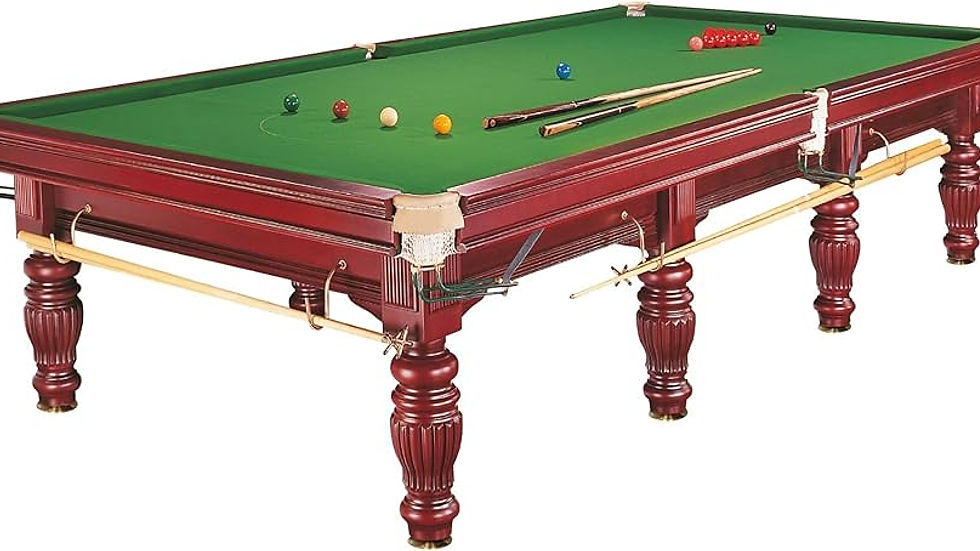
This is the standard professional tournament table used in major competitions.
Dimensions
Playing surface: 11 ft 8.5 in × 5 ft 10 in
External dimensions: roughly 12 ft × 6 ft
Best For
Serious players
Snooker clubs
Professional practice
Large dedicated game rooms
Pros
Authentic professional experience
Best for improving real snooker skills
Proper long-distance shot development
Realistic positional play
Cons
Requires a huge room
Very expensive
Difficult to move
Heavy maintenance requirements
If you regularly watch professional snooker, this is the table size you see on television.
10ft Snooker Table

The 10ft table is often considered the sweet spot for home players who want realism without needing a massive room.
Best For
Advanced home players
Enthusiasts with medium-large game rooms
Practice-focused players
Advantages
Still feels close to real snooker
Easier to fit in homes
Lower cost than a full-size table
Many experienced amateurs actually prefer 10ft tables for home use because they balance playability and practicality.
9ft Snooker/Pool Table

This size is extremely popular among pool players for recreational play and compact homes.
Best For
Casual players
Families
Mixed-use game rooms
Advantages
Easier installation
More affordable
Less intimidating for beginners
Downsides
Long pots feel less challenging
Doesn’t fully replicate professional conditions
Still, for many households, a 9ft table offers the best balance between fun and available space.
8ft and 7ft Pool/Snooker Tables

These are often chosen for:
Children
Beginners
Multi-game entertainment rooms
Apartments or limited spaces
These tables are easier to play on, but they behave very differently from professional snooker tables. Smaller tables mean:
Shorter shots
Simpler positional play
Easier potting angles
They’re excellent for learning cue action and enjoying casual games but less ideal for serious competitive development.
Minimum Room Size Requirements
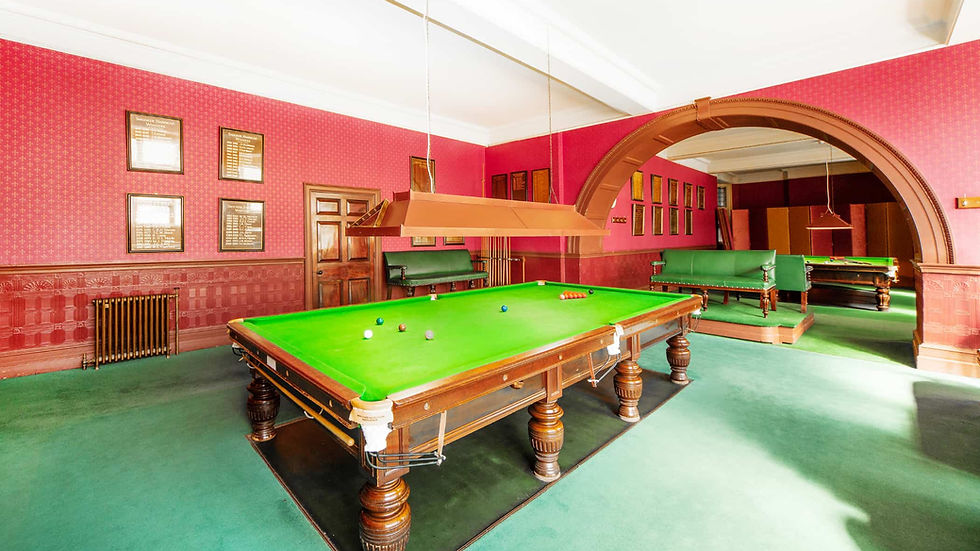
This is where many buyers make mistakes. You need space not only for the table itself, but also for cue movement around the table. A standard cue is about 57 inches long. Players need enough room to comfortably cue against every cushion.
Recommended Room Sizes
Table Size | Minimum Room Size |
12ft Table | 22ft x 16ft |
10ft Table | 20ft x 15ft |
9ft Table | 19ft x 14ft |
8ft Table | 18ft x 13ft |
7ft Table | 17ft x 12ft |
These measurements assume full-length cues. If your room is slightly smaller, shorter cues can help, but they do affect comfort and technique.
How to Measure Your Room Properly
Before buying any table:
Step 1: Measure the Entire Room
Include:
Door clearance
Pillars
Furniture
Radiators
Ceiling slopes
Step 2: Add Cue Space
You need playing clearance on all sides.
Step 3: Consider Walking Space
A room may technically fit a table, but still feel cramped during actual gameplay. Professional installers often recommend leaving additional movement space beyond the bare minimum.
Which Snooker Table Size Is Best for Beginners?

Most beginners do not need a full-size table immediately. In fact, smaller tables can help players:
Build confidence
Learn cue control
Improve potting consistency
Recommended Beginner Sizes
For Kids
6ft or 7ft
For Adults Learning Seriously
8ft or 9ft
For Competitive Aspirations
10ft minimum
A full-size table can sometimes overwhelm new players because long pots and cue-ball control become significantly harder.
Choosing a Table Based on Your Goals
If You Want Casual Family Fun
Choose:
7ft to 9ft tables
These are easier to enjoy socially.
If You Want Serious Practice
Choose:
10ft or 12ft tables
These help develop:
Safety play
Long potting
Tactical awareness
If You Want the Best Value
A 9ft table is often the smartest overall choice. It:
Fits more homes
Costs less
Still offers genuine snooker feel
Slate vs MDF: Does Table Size Affect Material Choice?

Absolutely.
Slate Bed Tables
These are the gold standard.
Advantages
Perfectly flat surface
Consistent ball roll
Long lifespan
Professional playing conditions
Best For
9ft and larger tables
MDF Tables
Usually found in smaller recreational tables.
Advantages
Cheaper
Lighter
Easier to move
Downsides
Warping risk
Less accurate ball movement
Shorter lifespan
If you’re investing in serious snooker, slate is worth the extra money.
Ceiling Height Is Often Forgotten
Many buyers only think about floor space. But ceiling height matters too. Low ceilings can interfere with elevated shots using the rest or spider. This becomes especially important with:
Full-size tables
Basement installations
Loft conversions
One-Piece Slate vs Three-Piece Slate
One-Piece Slate
Extremely heavy
Difficult installation
Better for ground-floor setups
Three-Piece Slate
Easier transportation
More common in professional tables
Better for upstairs rooms
Most professional-quality tables today use three-piece slate construction.
Common Mistakes When Choosing Snooker Table Size

Buying the Biggest Table Possible
Bigger is not always better. A cramped 12ft table feels worse than a comfortable 9ft table.
Ignoring Cueing Space
You need proper stroke clearance around every cushion.
Forgetting Delivery Access
Many tables cannot fit through:
Narrow staircases
Tight doorways
Small elevators
Choosing Style Over Build Quality
Fancy finishes don’t improve gameplay. Prioritize:
Slate quality
Cushion response
Cloth quality
Frame stability
Should You Buy a Used Snooker Table?
A used table can be excellent value if:
The slate is undamaged
Cushions are responsive
Frame is stable
However, poor-quality used tables may cost more to repair than buying new. Always inspect:
Cushion rebound
Slate condition
Pocket wear
Cloth quality
Best Snooker Table Size for Home Use
For most homeowners, the ideal choice is usually:
9ft Table
Why?
Realistic gameplay
Easier room fit
Lower maintenance
Better affordability
It delivers a strong snooker experience without requiring a professional hall-sized room.
Final Thoughts
The right snooker table size depends on three things:
Your available space
Your playing goals
Your budget
A professional 12ft table is fantastic, but only if your room can genuinely accommodate it comfortably. For many players, a well-built 9ft or 10ft table actually provides the best long-term experience.
Take accurate measurements, think realistically about how you’ll use the table, and prioritize playability over prestige. The best snooker table is not necessarily the biggest one — it’s the one you’ll truly enjoy playing on for years.
FAQ: Choosing the Right Snooker Table Size
What is the official size of a snooker table?
The official professional snooker table size is 12ft x 6ft.
What size snooker table is best for home use?
A 9ft snooker table is often considered ideal for most homes because it balances realism, affordability, and space efficiency.
Can I fit a full-size snooker table in a normal room?
Most standard rooms are too small for a full-size 12ft table. You typically need a room around 22ft x 16ft.
Is a smaller snooker table easier to play on?
Yes. Smaller tables have shorter shots and simpler positional play, making them more beginner-friendly.
Are slate snooker tables worth it?
Yes. Slate tables provide better ball roll, durability, and professional playing conditions compared to MDF tables.
What cue size should I use in a small room?
Shorter cues (48-inch or 52-inch) can help in tight spaces where full-length cues cannot move comfortably.
Is a 10ft snooker table good for serious practice?
Absolutely. Many advanced amateurs prefer 10ft tables because they offer realistic gameplay while fitting more homes than a 12ft table.
How much does a good snooker table weigh?
A full-size slate snooker table can weigh over 1,000 kg depending on construction and slate thickness.
Can snooker tables be moved easily?
Not really. Professional tables require disassembly and specialist installation.
What is the difference between snooker and pool table sizes?
Snooker tables are generally larger with smaller pockets, making the game more technically demanding than pool.
Author Bio:

Dr. Robin Alexander is an MD Pathologist, passionate guitar enthusiast, and lifelong snooker fan. He combines medical precision with a love for music and sport. Connect with him on *LinkedIn


Comments