%20(1).png)
How to Improve Your Snooker Game Step by Step
Snooker is a game of precision, patience, and strategy. Whether you’re just starting out or have been playing for years, there’s always room to sharpen your skills and elevate your performance. Improving your snooker game is not about quick fixes but about steady, deliberate progress. In this post, I’ll walk you through practical steps that can help you develop your technique, boost your confidence, and enjoy the game even more.
Building a Strong Foundation to Improve Snooker Game
The first step to improving your snooker game is to focus on the basics. Mastering the fundamentals will give you a solid platform to build upon. Here’s what I recommend:
Perfect Your Stance and Grip: Your stance should be stable and comfortable. Feet shoulder-width apart, with your body balanced. Your grip on the cue should be relaxed but firm enough to control the shot. Avoid gripping too tightly, as it can cause tension and reduce accuracy.
Work on Your Cue Action: Smooth, consistent cue action is key. Practice delivering the cue in a straight line, keeping your elbow steady. A jerky or uneven stroke will make it difficult to control the cue ball.
Focus on Your Bridge Hand: Your bridge hand supports the cue and guides its movement. Whether you use an open or closed bridge, make sure it’s steady and positioned correctly to allow a smooth stroke.
Practice Potting Basics: Start with simple shots to build confidence. Aim for the center of the ball and focus on hitting it cleanly. Gradually increase the difficulty as you improve.
By dedicating time to these foundational elements, you’ll notice your shots becoming more consistent and your overall game more reliable.
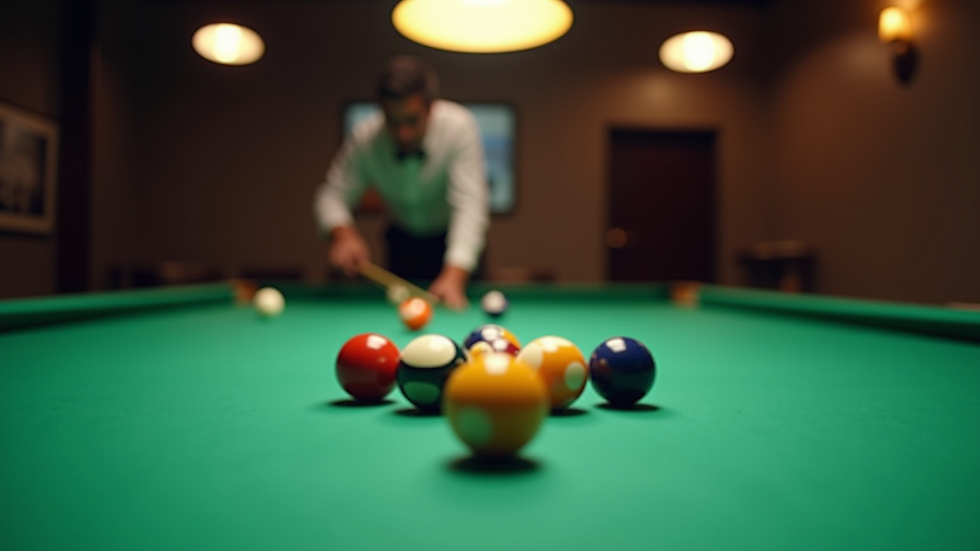
Step-by-Step Techniques to Improve Snooker Game
Once you have the basics down, it’s time to refine your skills with targeted practice. Here are some step-by-step techniques that can help you progress:
Line Up Your Shots Carefully
Before every shot, take a moment to visualize the path of the cue ball and the object ball. Imagine the angles and where the balls will end up. This mental rehearsal improves your accuracy.
Learning to control the cue ball’s speed and spin is crucial. Practice shots that require you to stop the cue ball, draw it back, or send it forward after contact. This control allows you to position the cue ball for your next shot.
Practice Safety Play
Not every shot is about potting. Sometimes, playing a safety shot to leave your opponent in a difficult position is the smartest move. Work on defensive shots that block your opponent’s options.
Work on Break Building
A good break can change the course of a frame. Practice potting balls in sequence while maintaining good cue ball control. This skill requires patience and planning.
Analyze Your Mistakes
After each practice session or game, review what went wrong and why. Did you misjudge the angle? Was your cue action off? Learning from mistakes is a powerful way to improve.
By following these steps, you’ll develop a more strategic and controlled approach to the game.

Why am I not improving at snooker?
It’s frustrating when you put in effort but don’t see the progress you expect. If you find yourself stuck, here are some common reasons why improvement might be slow:
Inconsistent Practice: Improvement requires regular, focused practice. Playing casually or infrequently won’t build the muscle memory and skills you need.
Ignoring Fundamentals: Skipping the basics or rushing to advanced shots can create bad habits that are hard to break.
Lack of Feedback: Without feedback, it’s difficult to know what to correct. Consider recording your practice or playing with someone who can offer constructive advice.
Mental Blocks: Snooker is as much a mental game as a physical one. Anxiety, frustration, or lack of confidence can affect your performance.
Not Setting Clear Goals: Without specific goals, practice can become aimless. Set achievable targets like improving potting accuracy or mastering a particular safety shot.
If you recognize any of these issues, take a step back and adjust your approach. Sometimes, slowing down and focusing on quality practice beats quantity.
Incorporating Practice Drills and Exercises
To make your practice sessions more effective, incorporate drills that target different aspects of your game. Here are some drills I find particularly useful:
Potting Drill: Set up a line of reds and practice potting them in sequence. Focus on cue ball control to position for the next shot.
Cue Ball Control Drill: Place the cue ball in different spots and practice drawing it back or sending it forward after potting a ball.
Safety Drill: Practice leaving the cue ball in tough positions for your opponent. Try to block pockets or leave the cue ball behind other balls.
Long Pot Drill: Work on potting balls from a distance to improve your accuracy and confidence on longer shots.
Break Building Simulation: Set up scenarios where you can practice building a break, focusing on shot selection and cue ball positioning.
Regularly rotating through these drills keeps your practice balanced and comprehensive.
Developing Mental Toughness and Focus
Snooker demands concentration and mental resilience. Here’s how you can strengthen your mental game:
Stay Present: Focus on the current shot rather than worrying about the score or previous mistakes.
Visualize Success: Before each shot, picture the ball going into the pocket and the cue ball landing where you want it.
Control Your Breathing: Deep, steady breaths can calm nerves and improve focus.
Set Small Goals: Break the game into manageable parts, like focusing on potting the next ball or executing a safety shot.
Learn from Losses: Instead of getting discouraged, analyze what you can improve for next time.
Mental toughness often separates good players from great ones. Cultivating this mindset will help you perform consistently under pressure.
Keep the Momentum Going
Improving at snooker is a journey, not a destination. Celebrate your small victories and keep challenging yourself. Remember, the key to success lies in consistent practice, thoughtful reflection, and a passion for the game. If you want to dive deeper into techniques and strategies, check out this guide on how to improve your snooker game for more expert tips.
With patience and dedication, you’ll find your skills sharpening and your enjoyment of snooker growing with every frame you play. So grab your cue, head to the table, and start your journey to becoming a better player today!


Comments